Liberia Convenes Multi-Sectoral Stakeholders to Domesticate 2024 International Health Regulations Amendments
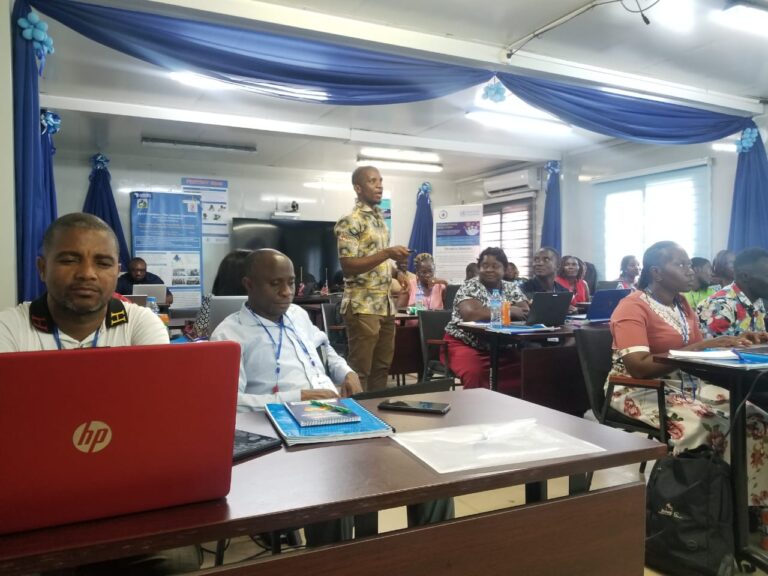
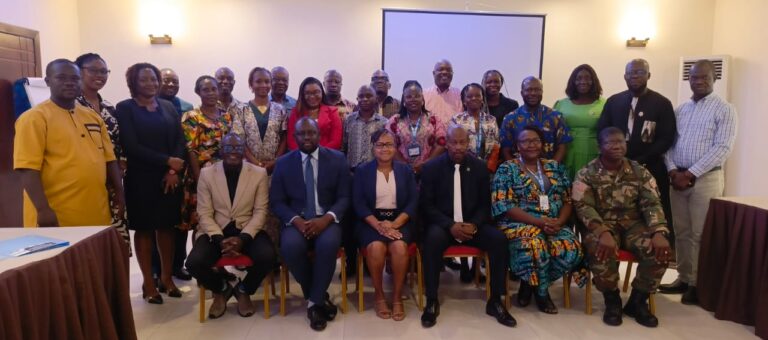
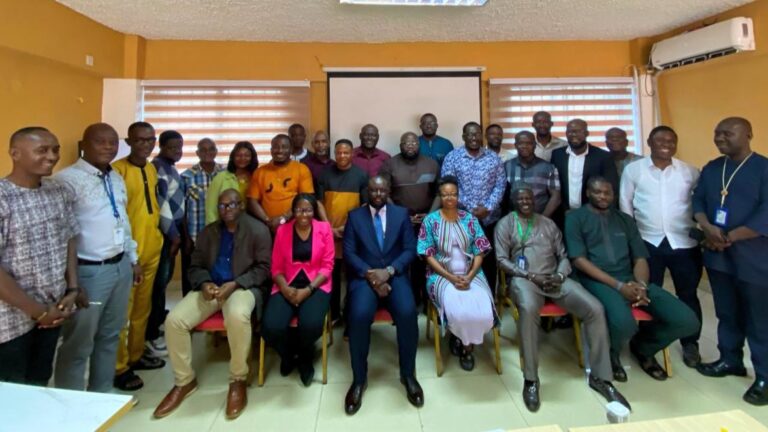
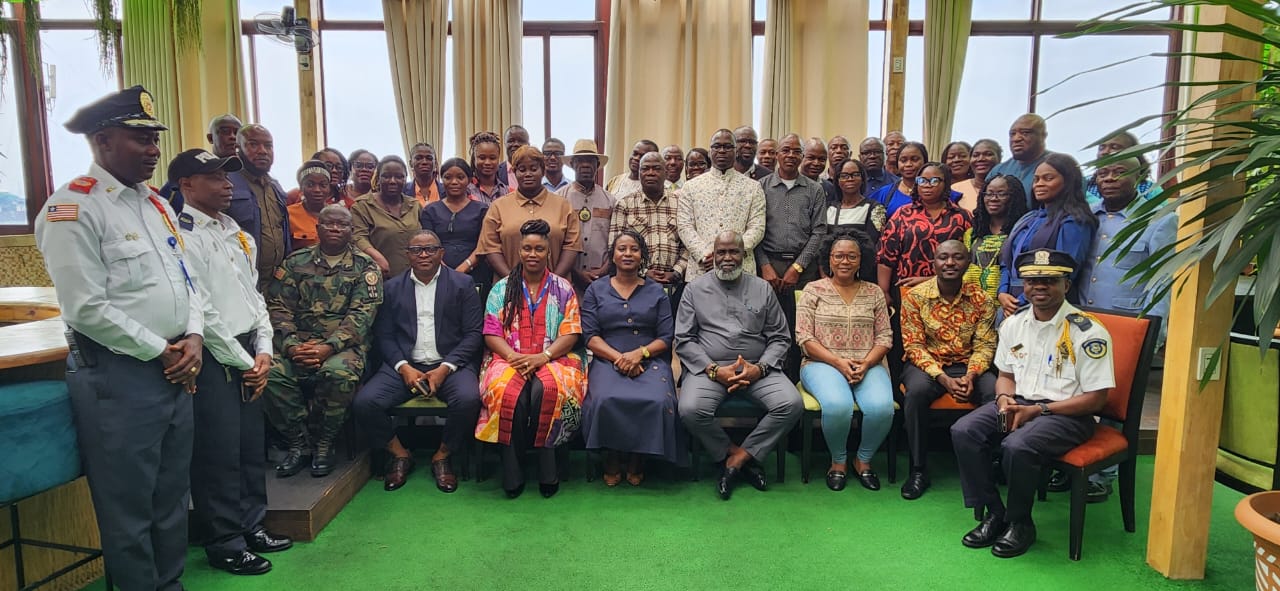
Liberia has taken a significant step toward strengthening national and global health security as multi-sectoral stakeholders convened at the Boulevard Hotel in Monrovia for a four-day workshop to domesticate the 2024 Amendments to the International Health Regulations (IHR 2005). The workshop, which runs from Monday, December 15 to Thursday, December 18, 2025, is supported by the World Health Organization (WHO) Country Office in Liberia and is being conducted under the One Health framework.
The meeting brings together representatives from key government ministries, agencies, and security institutions, reflecting Liberia’s commitment to a whole-of-government and whole-of-society approach to health emergency preparedness, prevention, detection, and response.
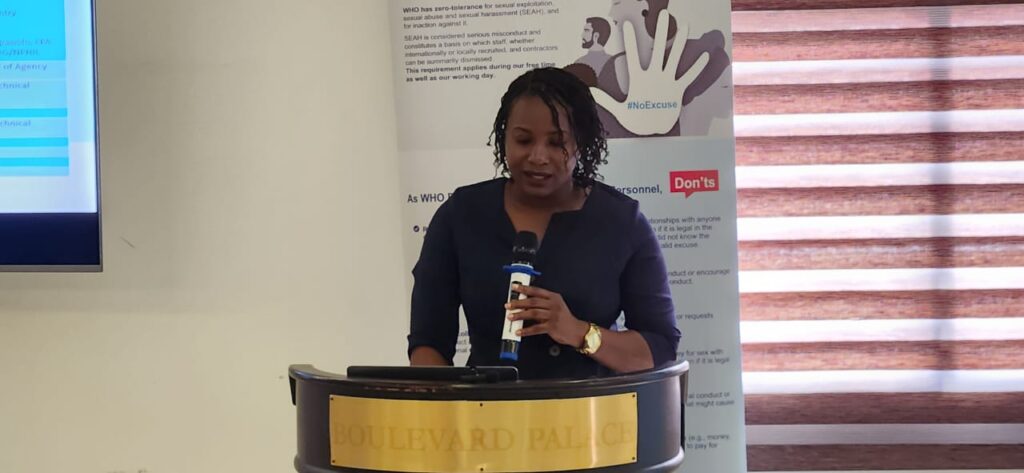
Speaking at the opening ceremony, Dr. Sia Wata Camanor, Interim Director General of the National Public Health Institute of Liberia (NPHIL), highlighted the central role of multi-sectoral coordination in safeguarding public health. She noted that the domestication of the amended IHR will further strengthen Liberia’s preparedness architecture and enhance collaboration across human, animal, and environmental health sectors.
Dr. Olushayo Olu, WHO Country Representative to Liberia, emphasized the importance of the 2024 IHR Amendments in strengthening countries’ capacities to respond to public health emergencies, including pandemics. He reaffirmed WHO’s continued technical and strategic support to Liberia to ensure effective domestication and implementation of the amended regulations.
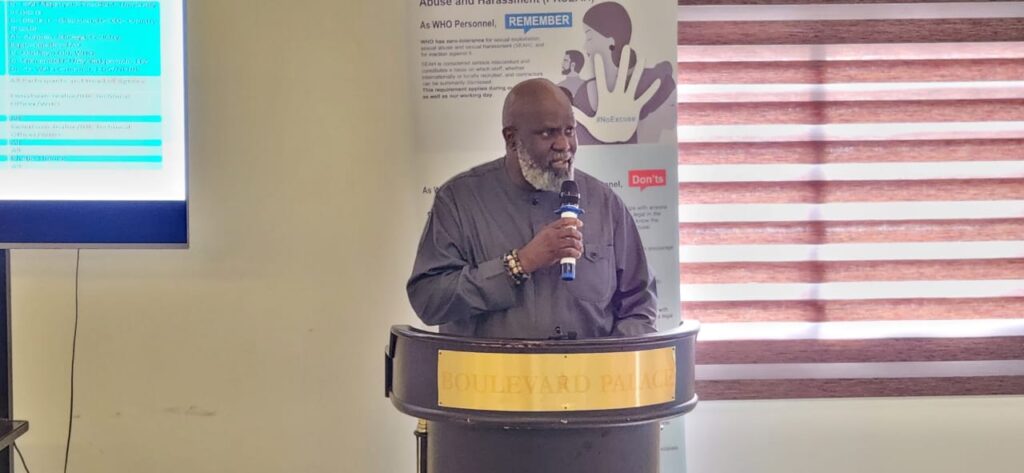
Also addressing participants, Dr. Garmie Voupawoe, Chief Veterinary Officer at the Ministry of Agriculture, underscored the importance of the One Health approach, stressing that animal health surveillance and cross-sectoral collaboration are critical to preventing and responding to zoonotic diseases and other emerging health threats.
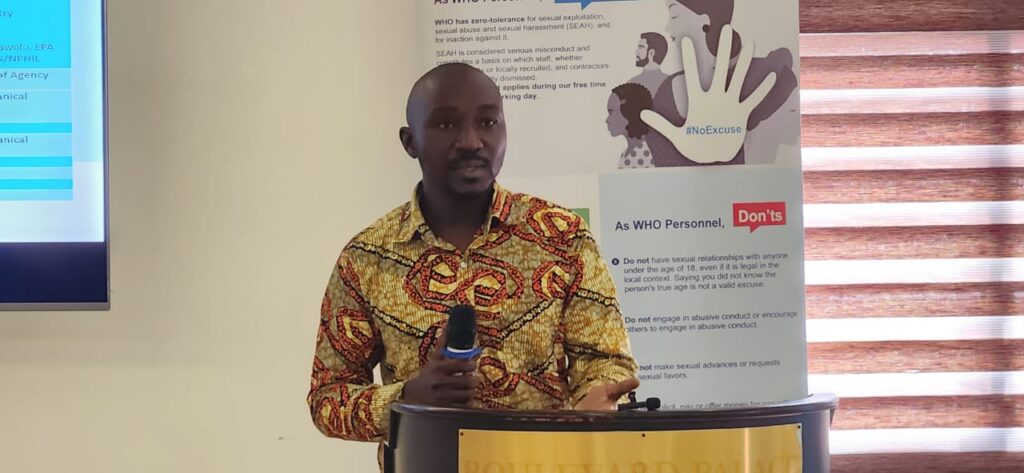
At the same time, Thomas K. Nagbe, representing the Food Authority of Liberia (FAL), emphasized food safety and regulation as essential components of national health security, particularly in the context of international trade, border control, and public health protection.
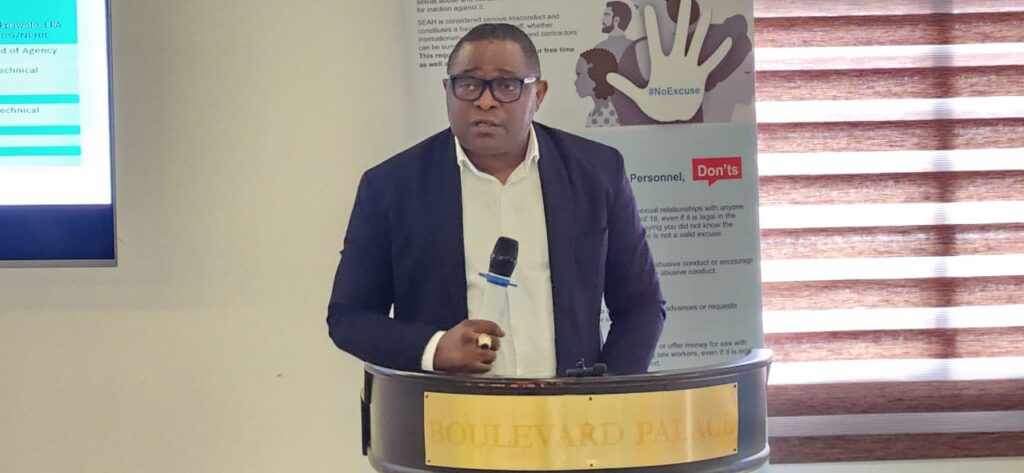
Partner institutions also reaffirmed their commitments during the opening session. Vivian Lymas Tegli of the Africa One Health University Network (AFROHUN) and Lily Sanvee-Blebo of the Africa Field Epidemiology Training Network (AFENET) reiterated their institutions’ support toward building and sustaining Liberia’s IHR core capacities through training, workforce development, and technical collaboration.
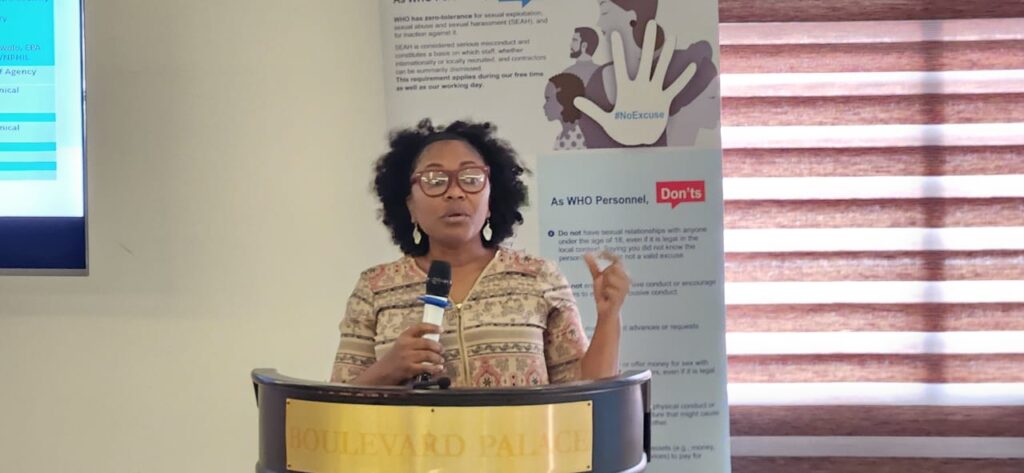
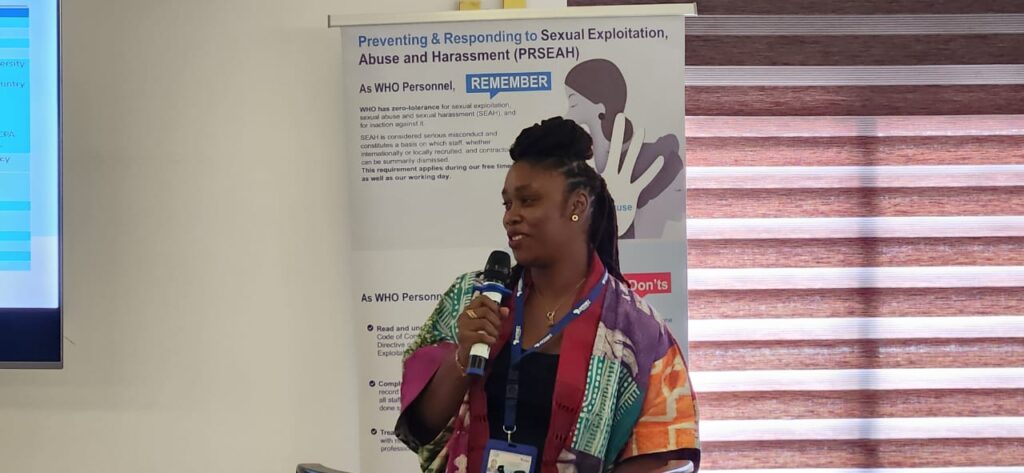
Participants at the workshop include officials from the Ministry of Health (MoH), Ministry of Agriculture (MoA), National Public Health Institute of Liberia (NPHIL), Environmental Protection Agency (EPA), Liberia Civil Aviation Authority (LCAA), Liberia Maritime Authority (LiMA), Liberia Immigration Service (LIS), National Disaster Management Agency (NDMA), National Fire Service (NFS), National WASH Commission, Forestry Development Authority (FDA), and the Armed Forces of Liberia (AFL), among others.
The workshop aims to achieve several key outcomes, including building a shared understanding of the rationale, scope, and implications of the 2024 IHR Amendments, such as the introduction of the pandemic emergency alert level, the establishment of a National IHR Authority (NIA), and the strengthening of National IHR Focal Point (NFP) functions.
Participants are also expected to establish a WHO-aligned process for the formal designation and annual renewal of Liberia’s NIA and NFP, including clear communication of institutional arrangements and contact details. Discussions will further focus on reaching consensus around mobilizing sustainable domestic financing and enhancing parliamentary oversight to support the implementation of the IHR and Liberia’s National Action Plan for Health Security (NAPHS).

Other anticipated outcomes include agreement on functional inter-sectoral coordination mechanisms and WHO technical liaison arrangements to monitor progress, identify capacity gaps, and ensure timely compliance with the amended IHR. The workshop will also endorse concrete steps to domesticate the amended IHR within Liberia’s legal and institutional frameworks, including legislative reviews, policy updates, engagement of technical working groups, and clarification of cross-sectoral roles and responsibilities.
The outcomes of this workshop are expected to guide Liberia’s national roadmap for implementing the amended IHR, reinforcing the country’s preparedness for public health emergencies and strengthening its contribution to regional and global health security.
Meanwhile, on Thursday, December 18, 2025, the outcomes of the workshop will be formally presented to a high-level stakeholder forum, including Hon. Jeremiah Kpan Koung, Vice President of the Republic of Liberia and Chairperson of the Steering Committee of the Liberia One Health Coordination Platform, alongside Ministers of the Ministry of Finance and Development Planning (MFDP), Ministry of Justice, the Ministry of Foreign Affairs, and the Ministry of Labor, as well as the Director General of the Civil Service Agency (CSA). This engagement will mark a critical step in securing high-level ownership and political commitment for the effective domestication and implementation of the amended IHR in Liberia.